Easy Budget Espresso Grinder Guide: 5 Checks
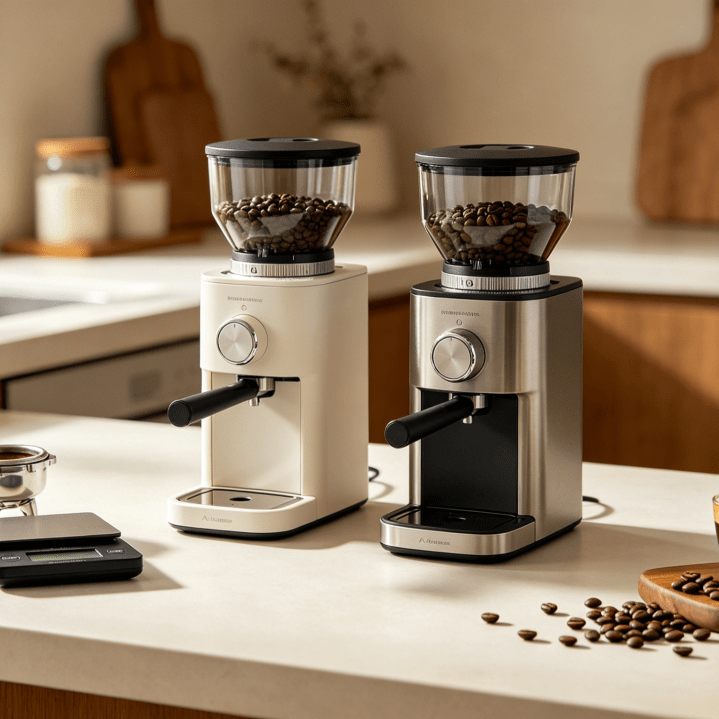
The phrase budget espresso grinder can be misleading. Cheap grinders are easy to find, but espresso does not reward the lowest possible burr set. A good budget grinder needs to make small grind changes, hold a consistent setting, keep retention manageable, and fit the way you actually make coffee at home.
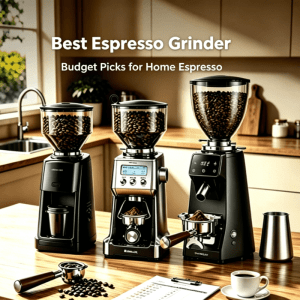
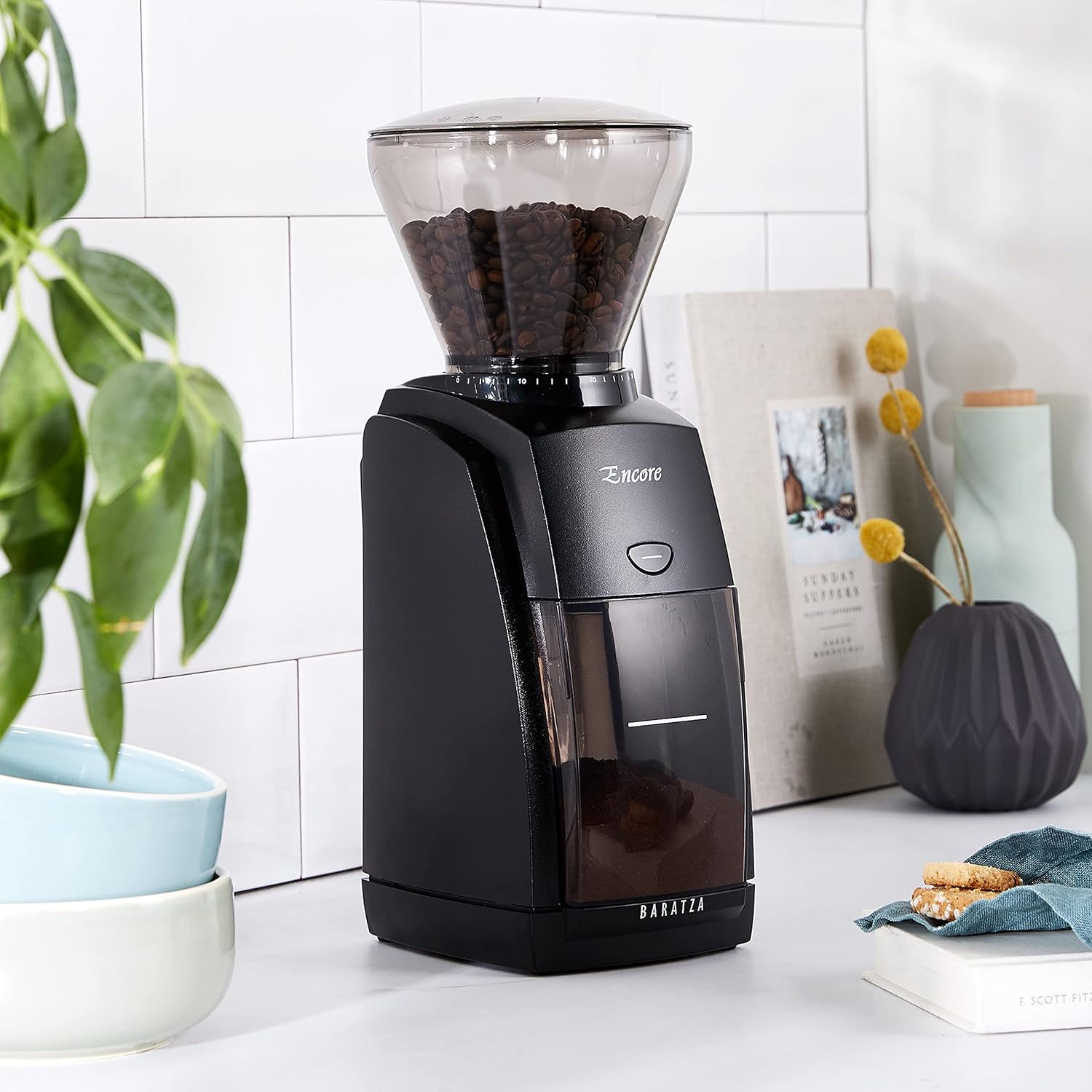
My short recommendation is this: choose the Baratza Encore ESP if espresso is your main goal, choose the Breville Smart Grinder Pro if you want a more appliance-like workflow with timed dosing, and only choose a cheaper filter-first grinder if you use pressurized baskets or make espresso occasionally. For a product-by-product shortlist, start with the existing best espresso grinder under $300 guide. This page focuses on the buying logic behind that decision.
The goal is not to crown the grinder with the lowest price tag. The goal is to help you avoid the common budget mistake: buying a grinder that looks affordable, then discovering it cannot make repeatable espresso without constant frustration.
Quick Answer: What Counts as a Good Budget Espresso Grinder?
| Buying Question | Best Budget Answer | Why It Matters |
|---|---|---|
| First real espresso grinder? | Baratza Encore ESP | Fine-range control is easier to understand for beginners |
| Breville machine owner? | Breville Smart Grinder Pro | Timed dosing and portafilter cradles fit the appliance workflow |
| Mostly drip, occasional espresso? | Classic Baratza Encore or similar filter-first grinder | Good brewed coffee workflow, but limited espresso control |
| Trying to spend as little as possible? | Be careful | Too-cheap grinders often fail on adjustment, consistency, or durability |
If you want the safest beginner path for a budget espresso grinder, I would not start below the Encore ESP class unless you already use a forgiving pressurized basket. The grinder is the part of the setup that decides whether a shot adjustment is predictable or random.
Cheap vs Affordable: The Difference Matters
A cheap espresso grinder is low cost first. An affordable espresso grinder is low enough in price while still solving the espresso problem. That difference matters because espresso is more sensitive than drip coffee. Small changes in grind size can move a shot from sour and fast to bitter and choked.
For espresso, cheap becomes expensive when the grinder cannot adjust finely enough. You spend more beans dialing in, waste more time, and often blame the espresso machine when the grinder is the real bottleneck. That is why the best budget espresso grinder is usually not the absolute cheapest burr grinder on the shelf.
- Cheap but risky: wide adjustment steps, inconsistent grounds, unclear parts support, high retention.
- Affordable and useful: espresso-focused adjustment, predictable workflow, cleanable burr path, realistic ownership support.
- Worth upgrading later: lower retention, stepless adjustment, stronger burr geometry, quieter motor, better workflow.
The Five Things I Check Before Recommending One
When I look at a budget espresso grinder, I care less about marketing claims and more about what happens during a normal morning shot routine. A beginner needs a grinder that makes variables visible, not one that hides problems behind a sleek shell.
1. Espresso Adjustment Range
The grinder must have enough usable range near espresso settings. “Can grind fine” is not enough. The real question is whether you can move in small enough steps when a shot runs five seconds too fast or too slow. This is where the Encore ESP improves on the classic Encore and why it belongs in the best budget espresso grinder comparison against the Fellow Opus 2.
2. Retention and Purging
Retention is the amount of coffee that stays inside the grinder after you grind. Budget grinders are rarely zero-retention machines. That is fine as long as you know how to manage it. If you switch between espresso and filter settings, expect to purge a small amount of coffee before trusting the next dose.
3. Dosing Workflow
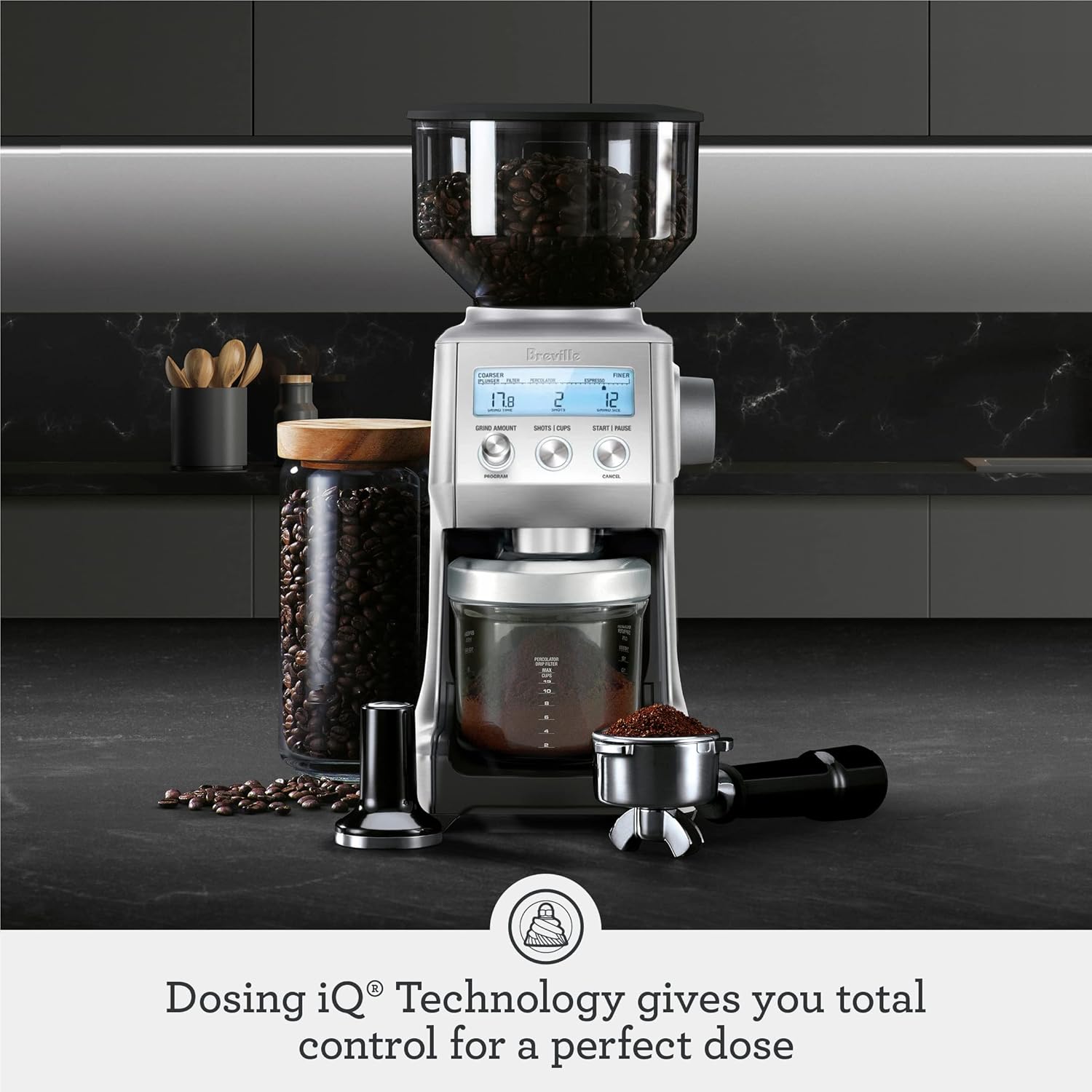
Some grinders are easier if you single dose into a cup. Others are easier if you use a hopper and timed dosing. The Breville Smart Grinder Pro makes sense for people who want a digital, repeatable, appliance-style process; Breville’s official Smart Grinder Pro page is useful for checking the current workflow and accessory details. If that sounds like your setup, read the full Breville Smart Grinder Pro review before deciding.
4. Cleaning and Service
A budget espresso grinder should not become disposable when it needs cleaning or a small part. Baratza has a strong ownership reputation because parts and repair paths are easier to understand, and its official Encore ESP product page is useful when you want to check ownership details. That does not automatically make every Baratza grinder better for every buyer, but it matters when you want a grinder to last longer than the first year.
5. Upgrade Path
The best budget choice should teach you espresso without trapping you. If you later upgrade to a stepless espresso grinder, the budget grinder can still serve as a backup, a filter grinder, or a second grinder for decaf. A bad cheap grinder often has no useful second life.
Best Budget Espresso Grinder Types
| Type | Good Fit | Main Tradeoff |
|---|---|---|
| Espresso-first stepped grinder | Beginner non-pressurized espresso | Less elegant for constant brew-method switching |
| Timed appliance-style grinder | Breville owners and hopper users | More retention and less repair confidence |
| All-purpose conical burr grinder | Mixed espresso, AeroPress, drip, cold brew | Less direct for espresso-only learning |
| Filter-first budget grinder | Drip or pour-over homes with occasional espresso | Not ideal for serious espresso dialing |
This is why I do not like one-size-fits-all grinder advice. The same grinder can be a smart value in one kitchen and a bad purchase in another. The right answer depends on whether espresso is the center of your routine or just one drink you make sometimes.
When Under $300 Is Enough
A grinder under $300 is enough when you are learning with medium-roast beans, making one or two drinks at a time, and using a beginner-friendly espresso machine. It can also be enough if most of your drinks are milk drinks, where tiny flavor differences are less obvious than they are in straight espresso.
The under-$300 category is especially reasonable for a Bambino-style setup, a compact kitchen, or a first serious grinder. You still need a scale and consistent puck prep, but you do not need to jump straight into a prosumer grinder to make better espresso than most pod machines or super-automatic machines.
When You Should Spend More
You should consider spending more if you regularly use light roasts, pull straight espresso, change beans often, or care about low retention. A better grinder gives you finer control and can make dialing in less wasteful. It can also be quieter, faster, and easier to clean.
Spending more also makes sense if you already own a capable machine and the grinder is clearly holding it back. If your espresso machine can maintain temperature and pressure, a weak grinder becomes the next limiting factor. At that point, upgrading the grinder usually improves the cup more than buying another entry-level machine.
Common Budget Grinder Mistakes
- Buying by price alone: the lowest price often means poor adjustment or poor durability.
- Confusing burr grinder with espresso grinder: many burr grinders are good for drip but weak for espresso.
- Ignoring retention: old grounds can change shot speed and flavor.
- Skipping a scale: even the best budget grinder needs consistent dose measurement.
- Expecting cafe workflow: budget grinders require small compromises in speed, mess, or precision.
My Buying Rule
If espresso is the reason you are buying the grinder, prioritize espresso adjustment first. That points most beginners toward the Encore ESP class. If convenience and a Breville-style workflow matter more, the Smart Grinder Pro is still practical. If coffee variety matters more than espresso precision, an all-purpose grinder can be the better daily choice.
The best affordable espresso grinder is the one that gives you enough control to learn without turning every shot into a guessing game. A grinder that saves $80 but wastes beans, time, and patience is not a better value.
Verdict
The best budget espresso grinder for most beginners is not the cheapest grinder that can grind fine. It is the grinder that gives you repeatable espresso adjustment, a workflow you can follow every morning, and enough ownership confidence to keep using it after the first month.
For most espresso-first buyers, I would start with the Baratza Encore ESP and compare from there. For Breville owners who want timed dosing and a more guided interface, the Breville Smart Grinder Pro remains a sensible alternative. For mixed-method households, compare the Encore ESP and Fellow Opus 2 carefully before deciding.